
Mass spectrometry
Background

1.14 - 1.17 Atomic structure
how it works
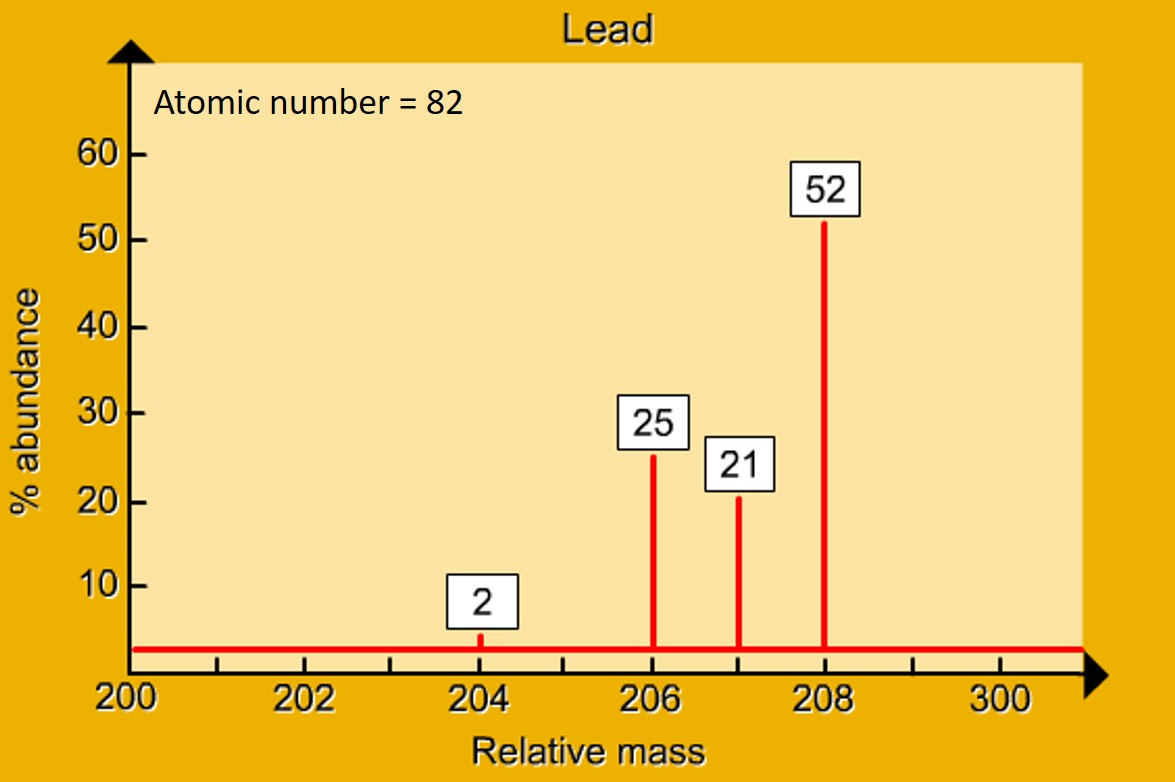
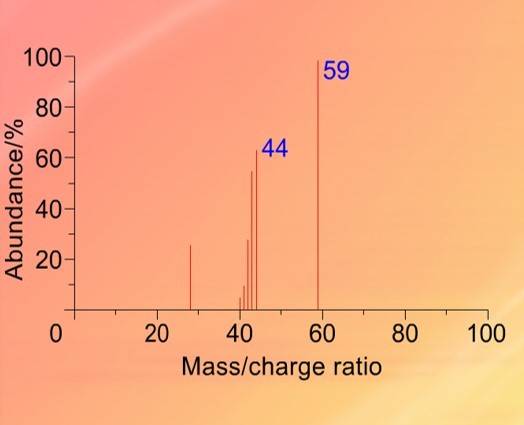
A mass spectrometer "sorts" particles according to their mass. A mass spectrum gives the relative abundance of particles of different masses. With an element - the relative abundance of the isotopes is given .This data is then used to calculate the relative atomic mass of the element.
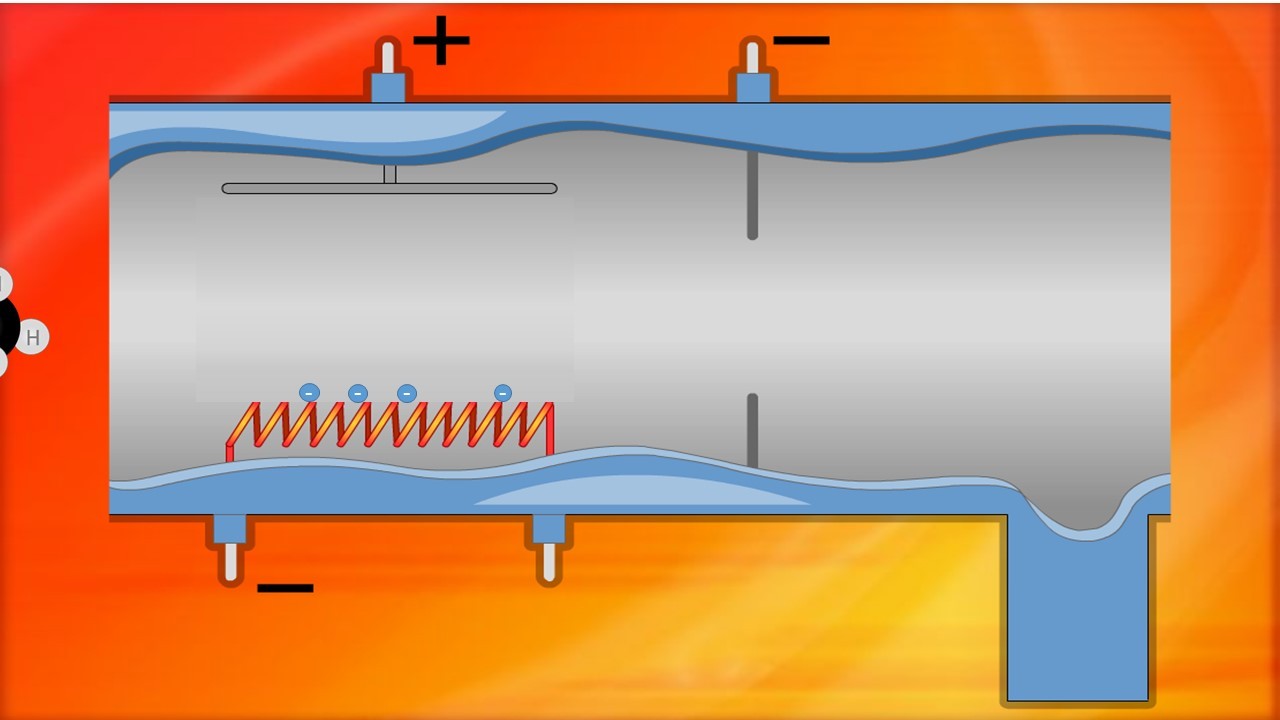

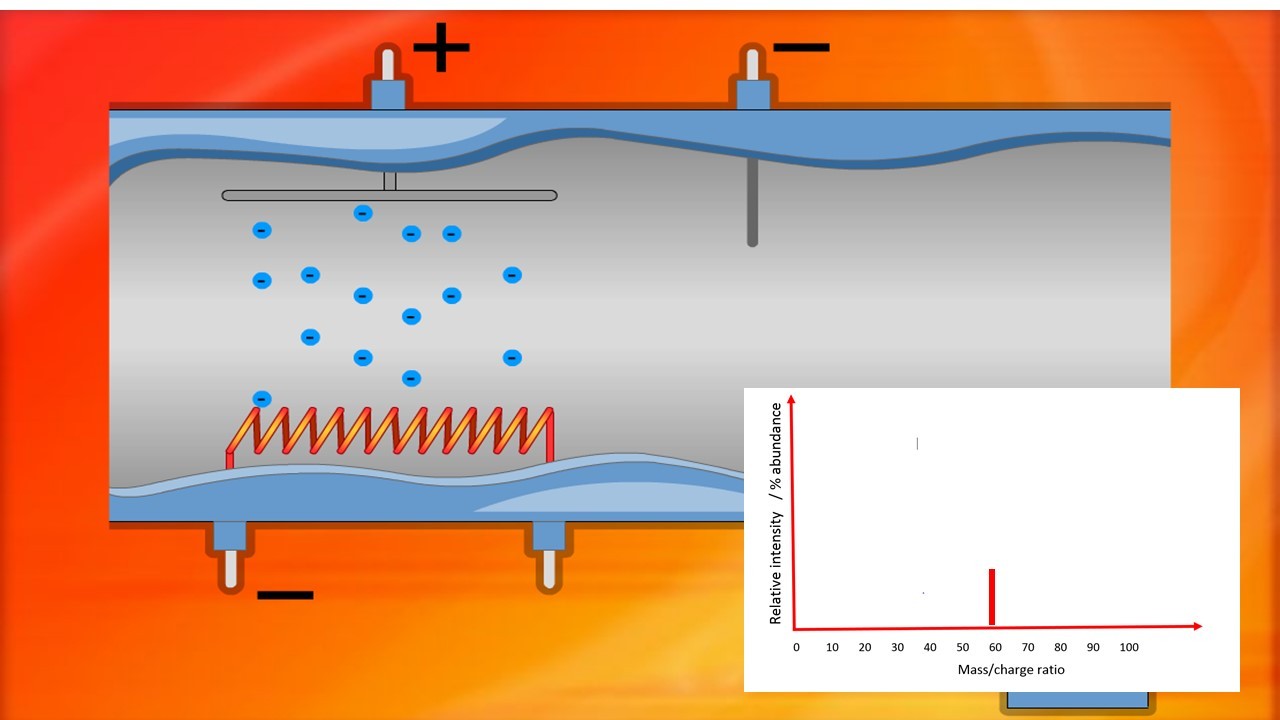
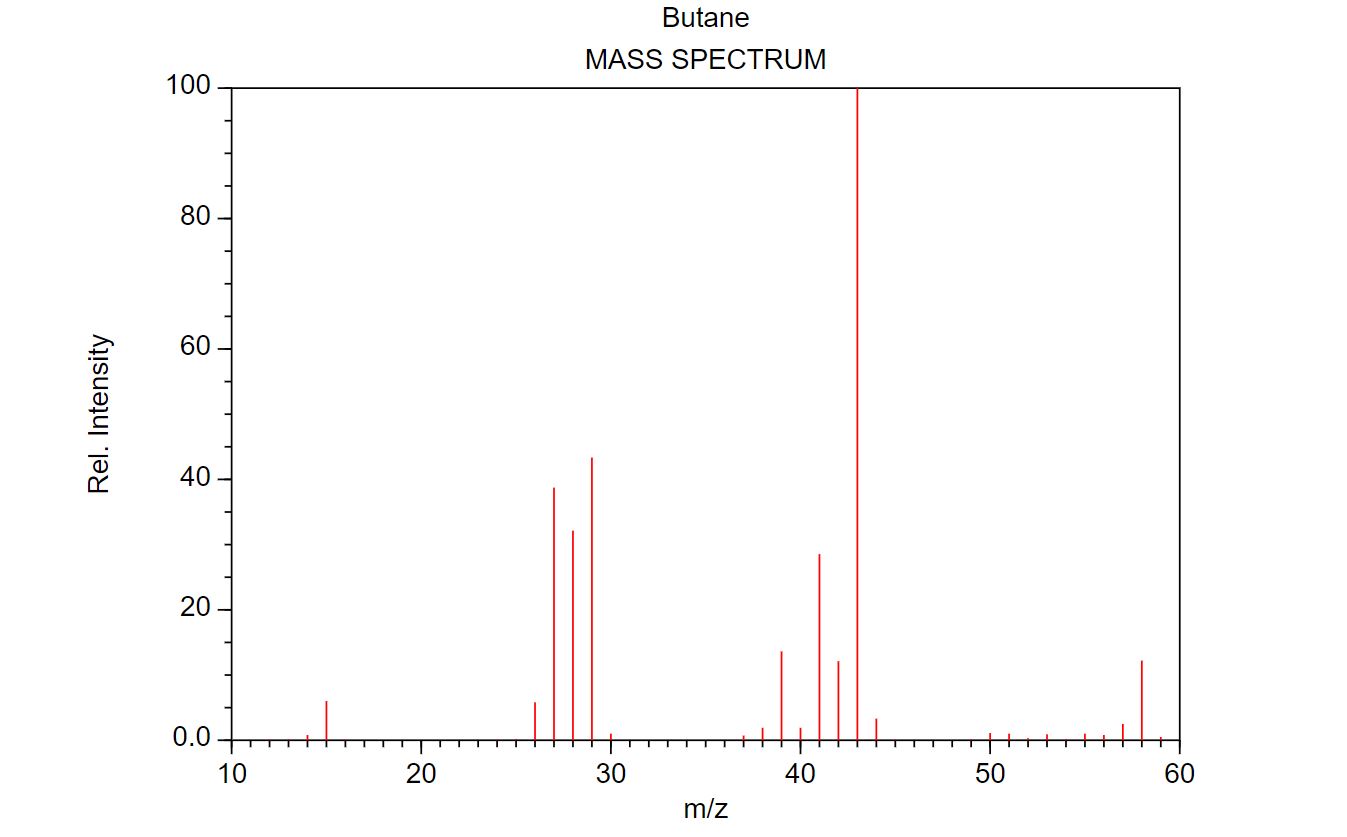
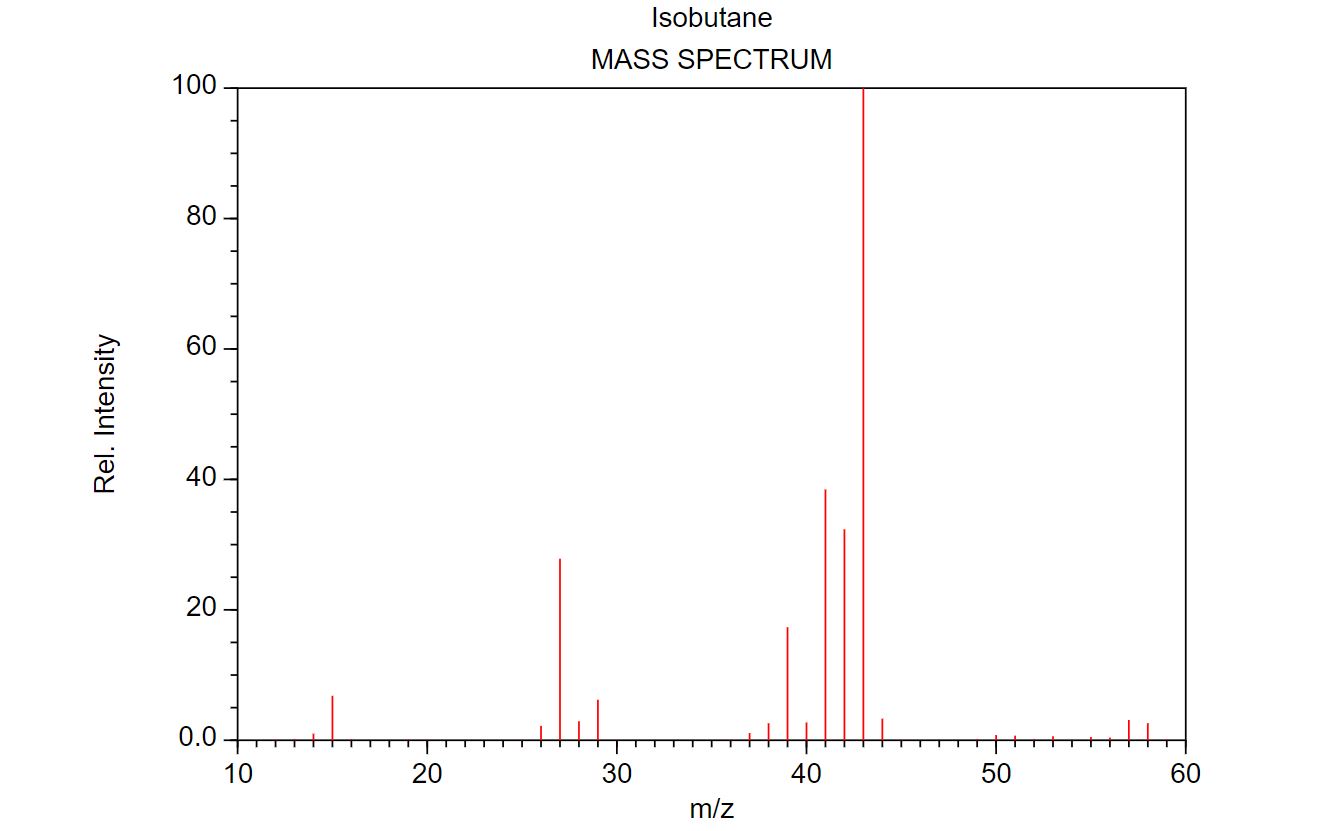
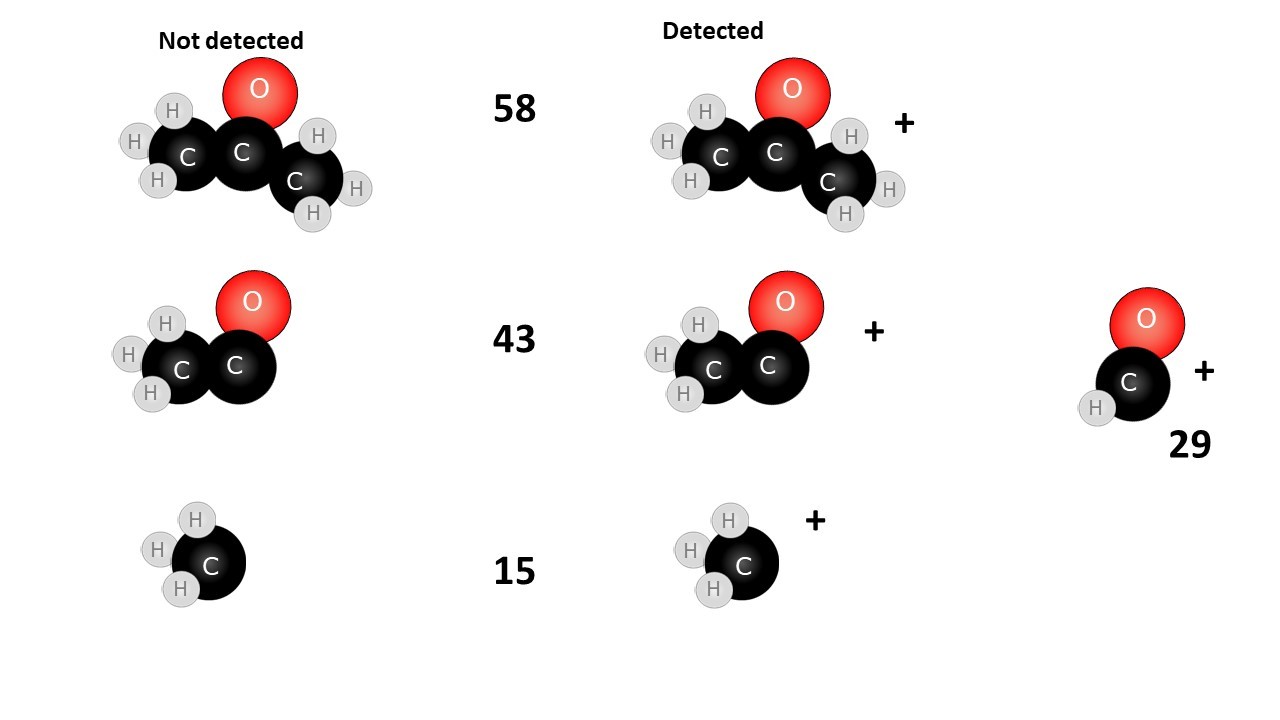
When an organic molecule is analysed in a mass spectrometer the vaporisation and bombardment by high energy electrons process also fragments the molecule.
Ions are detected . Uncharged fragments will not be accelerated by the magnetic field and therefore get drawn out of the spectrometer by the vacuum pump.
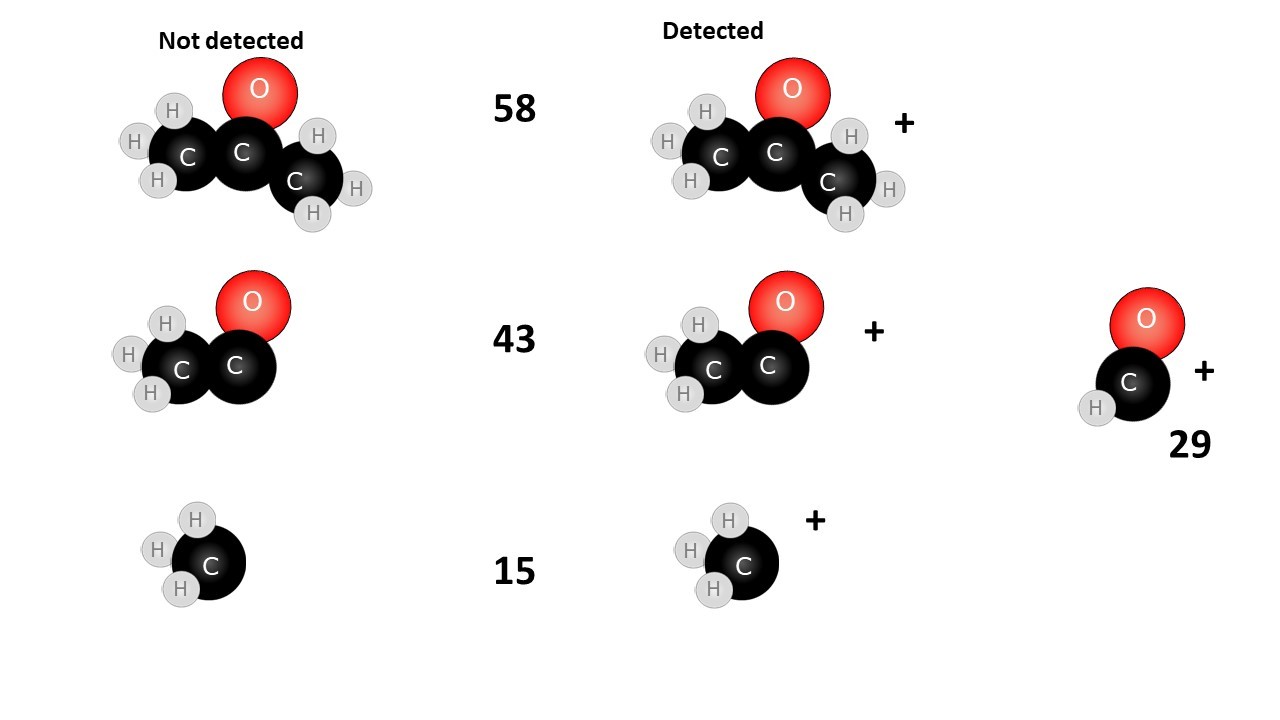


This produces a fragmentation pattern which provides a "fingerprint" for the molecule but also other information which can help identify the molecule.
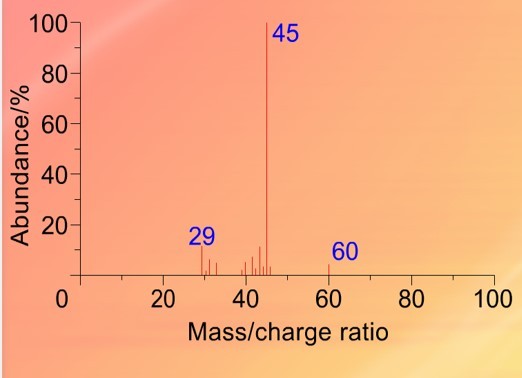
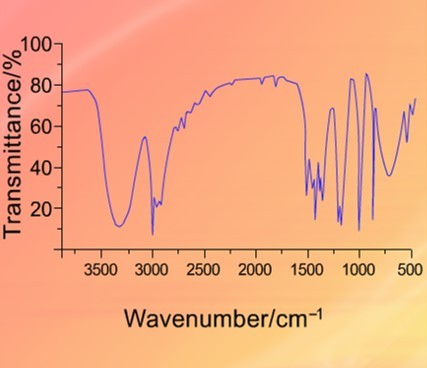
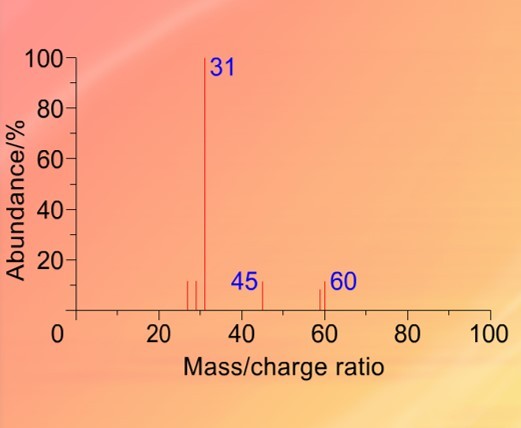
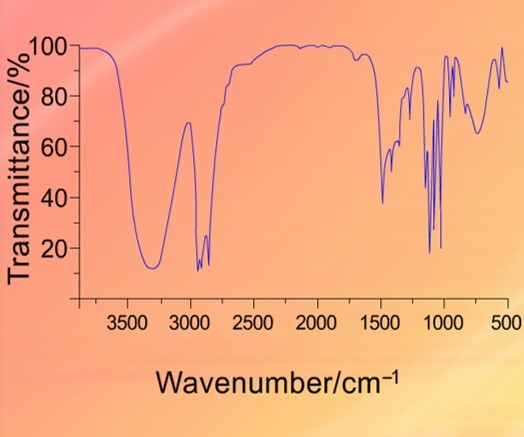
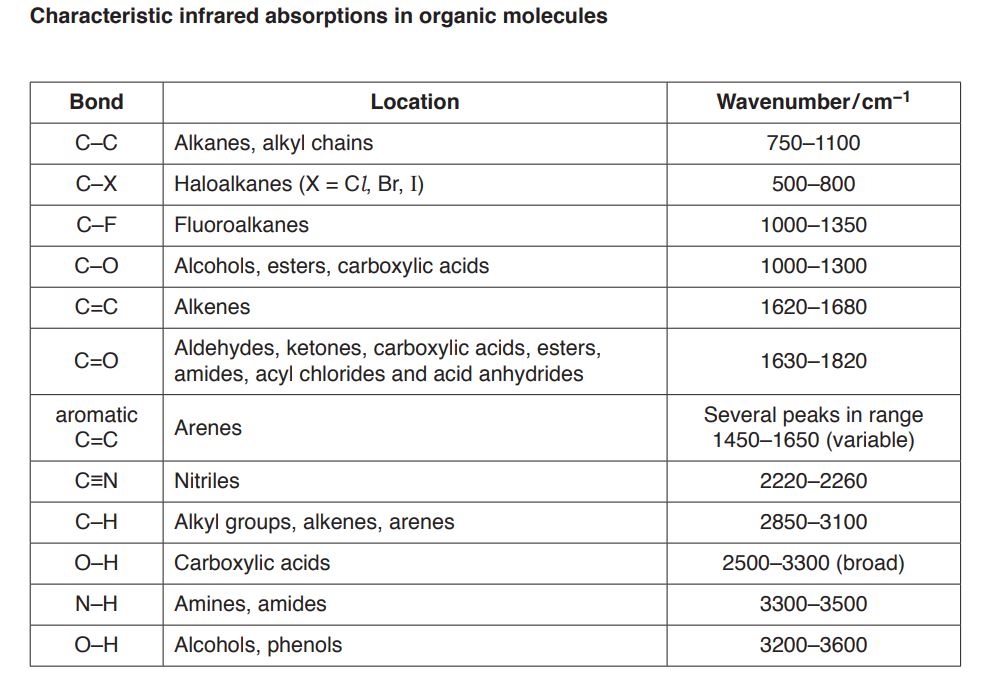

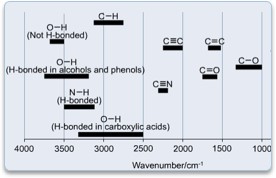
Study the two infra red spectra on the left. One is propan- 1- ol, the other is propan 2 ol. Which is which?


Enter your text here ...
Enter your text here ...


Intro image